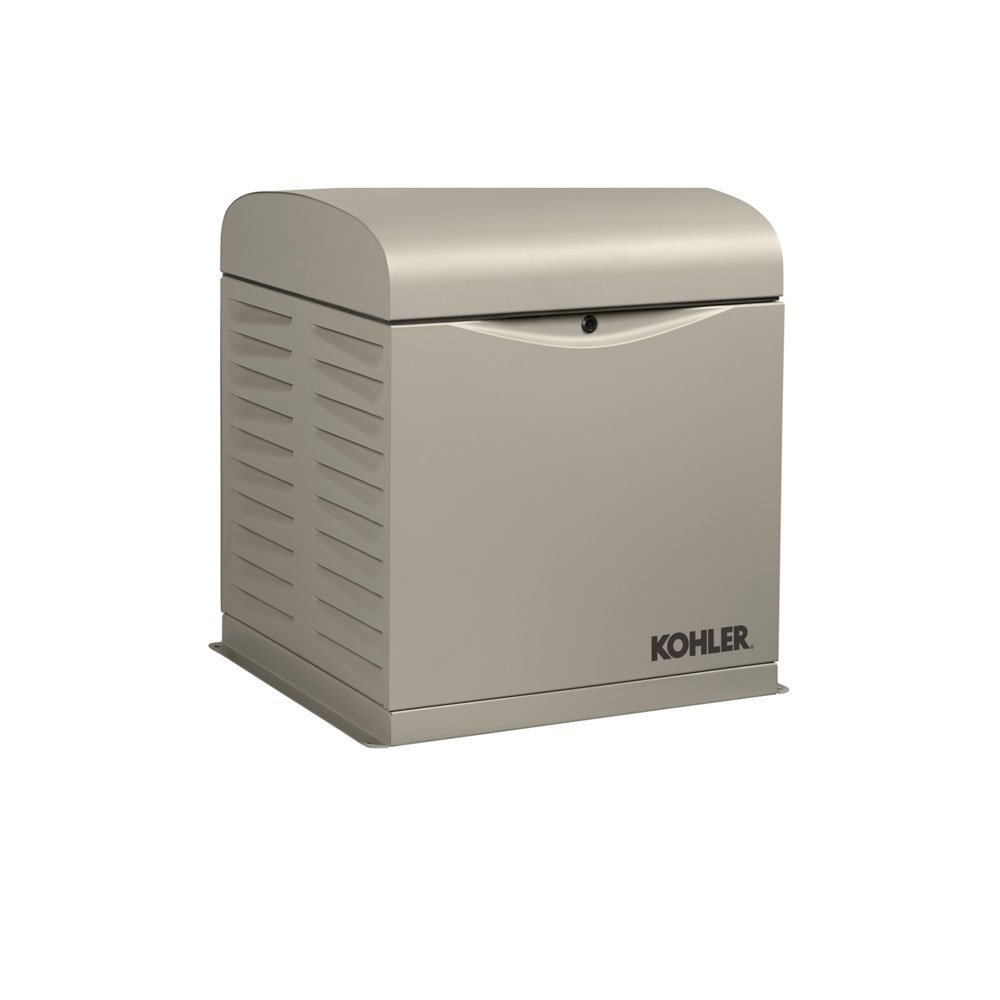
You invested in a Kohler standby generator for one reason: peace of mind. When the power grid falters, you expect your home to remain a beacon of light and comfort. But just like any complex piece of machinery, a Kohler standby generator doesn't guarantee reliability on its own. It demands attention, a proactive approach to maintaining your Kohler standby generator, ensuring it’s ready to leap into action the moment you need it most. Skipping routine maintenance isn't just a gamble; it's a direct threat to your home's resilience.
At a Glance: Your Kohler Generator Maintenance Checklist
- Weekly Check-In: Perform quick visual inspections, ensure proper clearance, check for pests, and verify the weekly exercise cycle.
- Routine Monitoring: Manually check oil and coolant levels, especially during prolonged outages.
- Annual Professional Service: Schedule a certified technician for comprehensive inspections, fluid changes, filter replacements, and advanced testing.
- Specialized Testing: Understand the importance of load bank testing, oil, coolant, and diesel fuel analysis for long-term health.
- Proactive Replacement: Don't wait for failure; replace batteries, belts, and hoses on schedule.
Why Your Generator Demands Attention: The Cost of Neglect
Think of your Kohler standby generator as a silent guardian, patiently waiting for its call to duty. But even guardians need care. Without proper maintenance, what seems like a minor oversight today can quickly escalate into a catastrophic failure tomorrow. Imagine an extended winter storm, temperatures plummeting, and your generator—your family's lifeline—failing to start because of a corroded battery or stale fuel. This isn't just an inconvenience; it's a safety hazard and a significant financial hit.
Regular maintenance isn't merely about fixing problems; it's about preventing them. It ensures your investment delivers on its promise, extending its lifespan and keeping repair costs down. A well-maintained generator is a reliable generator, and that reliability is priceless when the lights go out.
Your Weekly Vigil: What Owners Can Do
While extensive maintenance is best left to certified professionals, you, as the owner, play a crucial role in the routine health of your generator. These simple weekly tasks can flag potential issues early and keep your unit in top condition between professional services.
Ensuring Its Personal Space: Clearance and Airflow
Your generator needs room to breathe and for technicians to access it. Confirm that there are at least two feet of clear space around all sides of the unit. This isn't just about service; it’s critical for proper airflow, preventing overheating, and allowing exhaust gases to disperse safely. Don't let bushes grow too close or clutter accumulate around the enclosure. A clear space is a happy, efficient generator space.
The Weekly Workout: Exercise is Key
One of the most critical things you can do is ensure your generator is set to exercise weekly. Kohler recommends a 15-minute run time. This brief exercise cycle isn't just for show; it lubricates engine components, keeps the battery charged, and ensures the engine is ready to start when needed. It also burns off any stale fuel that might be sitting in the fuel lines. If your generator isn't exercising, troubleshoot the settings or call for service immediately.
The Unwanted Guests: Rodent Patrol
Small critters love generators. The enclosed space offers warmth and shelter, but rodents can wreak havoc on wiring, hoses, and insulation. Make a quick visual inspection weekly for any signs of nests, droppings, or chewed wires. If you spot any activity, clean the area thoroughly, use repellents, and consider contacting a technician to assess any potential damage. Rodent damage is a surprisingly common cause of generator malfunction.
Manual Fluid Checks: Your First Line of Defense
Low fluid levels are a leading cause of generator malfunctions. Make it a habit to manually check both the oil and coolant levels regularly. This is especially critical if your generator is running continuously during an extended power outage. During continuous operation for over 24 hours, check oil levels every 8 hours. Don't just rely on warning lights; a quick manual check gives you direct insight into your generator's immediate health.
The Annual Deep Dive: Professional Service is Non-Negotiable
While your weekly checks are vital, the complex nature of a standby generator demands a professional touch. Kohler provides a specific maintenance schedule that you should adhere to for optimal operation and to maintain your warranty. These annual inspections go far beyond what an untrained individual can safely or effectively perform. Attempting complex repairs yourself risks damage to the unit and personal injury.
A certified technician will perform a comprehensive inspection, covering:
- Fluid & Filter Replacement: This includes replacing engine oil, air filters, fuel filters (if applicable), and coolant filters. Dirty fluids and clogged filters dramatically reduce efficiency and accelerate wear.
- Coolant System: Documenting and replacing coolant as needed, checking its strength and pH balance. They'll also inspect hoses and connections for leaks or wear.
- Belt Tension & Condition: Belts can stretch or crack over time. Proper tension is crucial for driving accessories like the alternator and cooling fan.
- Visual Inspection: Thoroughly checking ductwork, the block heater, hoses, and all electrical and fuel connections for integrity and signs of wear.
- Leak Detection: Scrutinizing the unit for any fuel, oil, or coolant leaks, which can indicate underlying issues.
- Battery Health: Checking battery charge operation, terminal condition, and overall battery integrity. Remember, batteries have a finite life and require occasional replacement.
- Ignition System: Inspecting ignition wiring and spark plugs (for gas models) to ensure reliable starting.
- Exhaust System: Checking for any blockages, leaks, or corrosion that could impede proper venting.
- Worn Equipment Replacement: Proactively replacing components like belts, hoses, or the thermostat before they fail.
Understanding Key Tests & Why They Matter
Beyond the physical checks and replacements, professional annual service often includes specialized testing that provides critical insights into your generator's internal health. These tests are paramount for catching hidden problems before they lead to unexpected failures.
Load Bank Testing: Proving Its Strength Under Pressure
For standby generators, which often sit idle for long periods, load bank testing is absolutely critical. This process involves connecting an artificial load to your generator, forcing it to run at or near its full capacity for a sustained period. Why is this so important?
- Simulates Real-World Conditions: Most standby generators rarely carry heavy loads during their weekly exercise. A load bank test ensures the generator can actually perform under the kind of demanding conditions it would face during a prolonged outage.
- Burn Off Carbon Deposits: Running at a significant load helps burn off wet stacking, a common issue in lightly loaded diesel engines where unburnt fuel and carbon accumulate in the exhaust system.
- Identifies Weaknesses: It reveals problems with the engine, alternator, or cooling system that might only surface when the unit is working hard. Identifying these issues proactively means you can address them before you're relying on the generator for your home's power.
Fluid Analysis Testing: A Look Inside Your Engine's Health
Fluid analysis is like a blood test for your generator. It examines samples of engine oil, coolant, and sometimes diesel fuel to detect contaminants, wear metals, and degradation. This early warning system provides invaluable data about the internal condition of your generator.
Diesel Fuel Testing: Keeping It Clean
If you have a diesel generator, the quality of its fuel is paramount. Diesel fuel can degrade over time, especially if stored for extended periods, leading to the growth of bacteria and fungus. These contaminants can clog fuel filters, damage injectors, and cause significant engine problems. Diesel fuel testing detects these biological invaders and assesses fuel cleanliness, ensuring your fuel system remains free of damaging debris. Clean fuel is foundational to reliable operation.
Oil Testing: The Engine's Lifeblood
Oil testing goes beyond simply checking the level. It detects dirt, water, glycol (from coolant leaks), and microscopic metal particles. Dirty or diluted oil accelerates mechanical wear and can lead to severe hardware degradation. Ensuring your engine runs on clean, properly formulated oil significantly increases generator longevity and resiliency, protecting vital moving parts from premature failure.
Coolant Testing: Preventing Overheating and Corrosion
Coolant isn't just about regulating temperature; it also contains additives that protect against corrosion and cavitation. Coolant testing monitors corrosion levels and pH balance. Without proper coolant, metal components in the engine and cooling system can degrade rapidly. This leads to inefficient cooling, overheating, and ultimately, unit malfunctions. Maintaining proper coolant quality is essential for the long-term health of your generator's engine.
Beyond the Basics: Extended Care & Troubleshooting
While weekly and annual maintenance form the backbone of your generator's care, some aspects require less frequent attention but are equally critical. Understanding these and knowing when to call for help will empower you.
Periodic Replacements: Don't Wait for Failure
Components like batteries, belts, and hoses have a finite lifespan. They wear out, crack, or degrade over time, even with minimal use. Your service technician will typically monitor these during annual inspections and recommend replacement based on age or condition, not just outright failure. Proactive replacement prevents inconvenient and potentially costly breakdowns. A dead battery, for example, is one of the most common reasons a generator fails to start.
Continuous Operation: Checks During an Outage
Should your Kohler generator run for an extended period during a power outage, your vigilance becomes even more critical. As mentioned, check oil levels every 8 hours. Also, keep an eye on the fuel tank (if applicable) and be aware of any unusual noises, vibrations, or warning lights. While your generator is designed for continuous operation, prolonged use puts additional stress on its components, making regular monitoring essential.
When to Call a Professional: Know Your Limits
While we've outlined plenty of owner-doable tasks, it’s vital to recognize when to step back and call in the experts. Untrained individuals risk causing damage beyond basic inspections. If you encounter any persistent issues, warning lights, strange noises, or if your generator fails its weekly exercise, don't attempt complex diagnostics or repairs yourself. Instead, contact a certified Kohler technician. They have the specialized tools, training, and knowledge to diagnose and fix problems safely and effectively. For a deeper dive into choosing and managing your backup power, consider reading Your guide to Kohler standby generators.
Common Questions & Misconceptions About Generator Maintenance
Let's clear up some common misunderstandings that can lead to costly mistakes.
"My generator only runs occasionally, so it doesn't need much maintenance."
False. Standby generators, by their very nature, sit idle most of the time. This makes regular maintenance even more critical. Unlike a car that gets driven daily, a generator might go months without running under load. Components can seize, fluids can degrade, and fuel can go stale. The weekly exercise cycle and annual professional service are designed specifically to counteract these effects, ensuring the generator is ready at a moment's notice.
"I can do all the maintenance myself; it saves money."
Partially true, but mostly false. You can and should perform the weekly visual inspections, ensure clearance, check fluid levels, and monitor the exercise cycle. However, the annual service involves complex tasks like fluid changes, filter replacements, electrical inspections, and specialized testing (like load bank testing and fluid analysis) that require specialized tools, training, and expertise. Attempting these yourself without proper knowledge can lead to damage, void your warranty, and create safety hazards. Professional maintenance is an investment in your safety and your generator's lifespan.
"Maintenance is an expense, not an investment."
False. This is a critical mindset shift. Proactive maintenance is one of the smartest investments you can make in your home's infrastructure. The cost of regular service pales in comparison to the expense of major repairs or, worse, replacing a failed generator prematurely. Beyond the monetary cost, consider the invaluable peace of mind and safety that a reliably functioning generator provides during an emergency.
Your Proactive Power Plan: Staying Ahead of Outages
Ultimately, the goal of maintaining your Kohler standby generator is simple: unwavering reliability. You invested in a promise, and with a consistent, proactive maintenance plan, you ensure that promise is always kept. Don't wait for the next storm or a flickering light to remind you. Schedule your annual professional service well in advance, commit to your weekly checks, and keep your generator's environment clear and ready.
A well-maintained Kohler generator isn't just a piece of equipment; it's a vital component of your home's safety and comfort strategy. By taking these steps, you’re not just performing maintenance; you’re investing in continuous, reliable backup power for years to come.