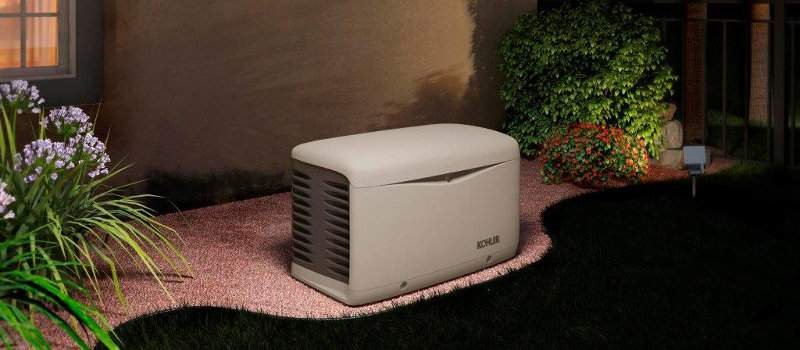
Imagine the lights flickering, then plunging your home into darkness. The refrigerator groans to a halt, the Wi-Fi signal vanishes, and the hum of your HVAC system disappears, leaving you to wonder how long this outage will last. For many homeowners, this scenario is more than an inconvenience; it's a disruption to work, health, and comfort. That's precisely why a Kohler standby generator has become an increasingly essential home amenity, offering automatic, uninterrupted power when the utility grid fails.
But what does it really take to bring this kind of reliable backup power to your home? This comprehensive Kohler Standby Generator Installation Guide pulls back the curtain on the entire process, demystifying the journey from initial curiosity to enjoying a truly resilient home. We'll walk you through every critical step, from understanding what these powerful machines do to the nuances of professional installation, ensuring you’re well-equipped to make informed decisions.
At a Glance: What You'll Discover
- What a Kohler Standby Generator Is: A permanent, automatic backup power system for your home, fueled by natural gas or propane.
- Why You Might Need One: Protection against frequent outages, support for remote work, medical equipment, or overall peace of mind.
- Sizing is Key: How to determine the right generator size for your home's specific needs, whether essential circuits or whole-home coverage.
- The Professional Edge: Why expert, licensed installation is non-negotiable for safety, compliance, and warranty.
- Installation Blueprint: A detailed walkthrough of the planning, physical installation, electrical and fuel connections, and final testing.
- Beyond Installation: Understanding the costs involved and the minimal ongoing maintenance required to keep your system ready.
The Unseen Guardian: What a Kohler Standby Generator Really Does
A Kohler standby generator isn't just another gadget; it's a permanent, intelligent backup power solution for your home. Unlike portable generators that require manual setup, refueling, and extension cords, a standby generator is installed permanently outside your house, much like an air conditioning unit. It connects directly to your home's electrical system, continuously monitoring the utility power supply.
The moment your grid power falters—whether due to a storm, equipment failure, or something else—your Kohler generator springs to life. Typically within 10 seconds, it senses the outage, automatically starts, and seamlessly transfers power to your home. When utility power returns, it reverses the process, shutting down and returning to standby mode, all without you lifting a finger. It runs on your home's natural gas line or an external propane tank, meaning no last-minute trips for gasoline during an emergency.
Beyond the Basics: Kohler's Edge
Kohler has built a reputation for robust, reliable performance, making them a top choice for homeowners seeking serious backup power. Here’s what sets them apart:
- Reliable Startup: Weekly automatic self-checks ensure the generator is always ready to go, performing a brief run cycle to verify system integrity.
- Fast Response Time: Power is restored swiftly, often before your sensitive electronics even register a complete shutdown.
- Durable Design: Engineered to withstand extreme weather conditions, from freezing temperatures to intense heat and heavy winds.
- Clean Power Output: Produces electricity safe for sensitive electronics like computers, smart TVs, and medical equipment.
- Solid Warranty: Most residential models come with a reassuring 5-year, 2,000-hour warranty, reflecting Kohler's confidence in their product.
Considering the unpredictable nature of power outages, understanding these core benefits helps explain why so many homeowners are choosing to invest. For a deeper dive into the technology and options, you can Learn more about Kohler standby generators and discover how they integrate into modern homes.
Powering Your World: What Can a Kohler Generator Handle?
Before you even think about installation, you need to understand what you want your generator to accomplish. Are you looking to power just the essentials, or keep your entire home running as if there were no outage at all?
Whole-Home vs. Essential Coverage: Tailoring Your Power Plan
- Essential Circuit Coverage: This approach focuses on the absolute necessities. Think refrigerator, freezer, sump pump, well pump (if applicable), a few lights, and critical outlets (for charging phones, laptops, and medical devices). This is a more cost-effective option, requiring a smaller generator.
- Whole-Home Coverage: This is the ultimate peace of mind. A larger generator is sized to power virtually every circuit in your home—your entire HVAC system, all appliances, lights, outlets, and smart home tech. This means no compromises during an outage.
Real-World Examples: What Gets Power?
A properly matched Kohler standby generator can power a wide array of appliances and systems:
- Kitchen: Refrigerator, freezer, microwave, oven, dishwasher.
- Comfort: HVAC systems (furnace and air conditioning), water heater.
- Connectivity: Internet routers, modems, home offices.
- Safety & Health: Sump pumps, well pumps, security systems, crucial medical equipment (CPAP machines, oxygen concentrators).
- Everyday Living: Lights throughout the home, power outlets for charging devices, entertainment systems.
The specific items powered will directly depend on the generator's size and your chosen coverage plan.
The Crucial Step: Sizing Your Generator
This isn't a DIY calculation. Sizing a standby generator correctly is perhaps the most critical part of the entire process, impacting both performance and cost. An undersized generator won't power everything you need, while an oversized one is an unnecessary expense.
How it Works:
An experienced installer performs a detailed load calculation. They'll walk through your home with you, itemizing all the appliances and systems you want to power during an outage. They consider:
- Starting Amperage: The surge of power required when certain motors (like those in refrigerators or AC units) first kick on.
- Running Amperage: The continuous power needed once the appliance is operating.
- Usage Habits: How often certain appliances might run simultaneously.
- HVAC System Size: Air conditioners and furnaces are often the largest single loads in a home.
Common residential models range from 10kW to 24kW, but some larger homes or specific needs may require more. The installer's load calculation will provide the precise recommendation for your unique situation, ensuring your Kohler generator is perfectly matched to your home's energy demands. Don't skip this personalized assessment.
The Journey Begins: Navigating the Installation Process (Step-by-Step)
Installing a Kohler standby generator is a significant home improvement project that requires expertise across multiple trades: electrical, plumbing (for gas lines), and construction. This is not a DIY endeavor. Proper installation ensures safety, compliance with local codes, and valid warranty coverage.
Phase 1: Planning & Permits – Laying the Foundation
Before any heavy lifting begins, thorough planning and bureaucratic navigation are essential.
Finding Your Pro: Why a Licensed Installer is Non-Negotiable
This is the golden rule of standby generator installation: Always hire a licensed, certified, and experienced installer. They will typically be an authorized Kohler dealer. Here's why:
- Safety First: Dealing with high voltage electricity and natural gas/propane lines is inherently dangerous and requires specialized training.
- Code Compliance: Every municipality has strict building, electrical, and gas codes. Licensed professionals understand and adhere to these, preventing costly corrections or safety hazards down the line.
- Warranty Protection: Most generator warranties require professional installation. A DIY or uncertified install could void your coverage.
- Expertise & Efficiency: From optimal generator placement to seamless electrical integration, their experience saves you time, money, and headaches.
Your installer will be your main point of contact, coordinating all aspects of the project.
The Site Assessment: Your Home Under the Microscope
This is the installer's first visit to your property and a crucial step. During the site assessment, they will:
- Determine Generator Placement: They'll look for a location that's:
- Safe: Away from windows, doors, and vents to prevent exhaust fumes from entering the home, and clear of flammable materials.
- Accessible: For future maintenance and fuel delivery (if propane).
- Code Compliant: Meeting local setback requirements from property lines and structures.
- Practical: Close enough to the electrical panel and gas line to minimize installation costs.
- Assess Fuel Source: Confirm the availability of a natural gas line with sufficient pressure, or plan for the placement of a propane tank and connection.
- Evaluate Electrical System: Inspect your main electrical panel to determine the best point of connection for the automatic transfer switch (ATS) and the circuits that will be powered. They'll confirm your panel can accommodate the new connections.
- Consider Other Factors: Accessibility for heavy equipment, ground stability for the generator pad, and potential noise considerations for neighbors.
This assessment informs the detailed proposal and ensures there are no surprises during installation.
Permit Power: Don't Skip This Step
Navigating local permits can be daunting, but it’s absolutely critical. Good news: your licensed installer will almost always handle this process for you. They will:
- Identify Required Permits: Typically, you'll need electrical, gas, and building permits.
- Prepare and Submit Plans: Provide detailed drawings and specifications to the local building department.
- Coordinate Inspections: Schedule necessary inspections by local authorities at various stages of the installation.
Attempting to install without proper permits can result in fines, forced removal, and serious safety implications.
Phase 2: Installation Day – Bringing Power to Life
Once permits are secured and the plan is finalized, the physical installation begins. This typically involves a team of specialists.
Prepping the Pad: A Solid Foundation
A generator is a heavy piece of equipment and requires a stable, level base. This usually involves:
- Excavation: Preparing the ground.
- Concrete Pad: Pouring a concrete slab specifically sized for your generator, often reinforced. This provides the most stable and durable base.
- Gravel Base: In some cases, a sturdy gravel base might be an option, but concrete is generally preferred for long-term stability and vibration dampening.
Proper pad preparation is key to the generator's longevity and smooth operation.
Setting the Generator: The Main Event
With the pad ready, the generator unit is carefully moved into place. This often requires specialized lifting equipment due to its weight. Once positioned, it's securely bolted to the pad. Its exterior casing is designed to protect internal components from the elements, ensuring year-round readiness.
The Brains of the Operation: Installing the Automatic Transfer Switch (ATS)
The ATS is the intelligence behind your standby system. It’s a critical component installed next to or within your main electrical panel.
- Function: The ATS constantly monitors utility power. When an outage occurs, it safely disconnects your home from the utility grid and simultaneously connects it to the generator. When utility power returns, it reverses the process, disconnecting the generator and reconnecting to the grid. This prevents dangerous backfeeding of electricity into the utility lines, protecting linemen.
- Wiring: Licensed electricians meticulously wire the ATS into your home’s existing electrical system, connecting it to the circuits you've chosen to power. This involves careful integration to ensure seamless power transitions.
Fuel Lines & Electrical Connections: Precision Work
This phase requires highly specialized skills:
- Fuel Connection:
- Natural Gas: A licensed plumber will run a dedicated natural gas line from your home's meter to the generator. They'll ensure proper pipe sizing for adequate fuel flow and test for leaks.
- Propane: If using propane, the installer will help you coordinate with a propane supplier for tank placement and connection, running a line from the tank to the generator.
- Electrical Connection: The electricians complete all high-voltage wiring, connecting the generator to the ATS, and the ATS to your main electrical panel. They install conduits, pull wires, and make all necessary connections according to electrical codes. This includes critical safety grounding and bonding.
Every connection is made with precision and tested rigorously to ensure optimal performance and safety.
Phase 3: Testing & Handover – Your Power, Ready to Go
The physical work is done, but the system isn't live until it's thoroughly tested and you, the homeowner, are comfortable operating it.
The Grand Activation: Startup and Testing
Once all connections are secure, the installer will:
- Initial Startup: The generator is started for the first time, ensuring all systems are functioning correctly.
- Simulated Power Outage: The utility power is momentarily cut to simulate an outage. The installer observes the generator's automatic startup, the transfer of power via the ATS, and verifies that all selected circuits are receiving electricity.
- Load Test: The generator runs under a simulated load to ensure it can handle the expected demand.
- Utility Power Restoration: The utility power is restored, and the installer verifies the ATS switches back to utility power seamlessly, followed by the generator's cool-down and shutdown sequence.
These tests confirm your system is fully operational and ready for any future outage.
Your Owner's Orientation: Mastering Your System
Before leaving, your installer will provide a comprehensive orientation. They'll explain:
- System Basics: How the generator works, what indicator lights mean, and where key components are located.
- Maintenance Schedule: What minimal steps you'll need to take (mostly just understanding the weekly self-test).
- Emergency Procedures: What to do (and what not to do) in various scenarios.
- Contact Information: Who to call for service or questions.
- Warranty Registration: Guiding you through the process if not handled automatically.
This is your chance to ask any questions and gain confidence in your new backup power system.
Beyond Installation: Living with Your Kohler Standby Generator
The investment doesn't end with installation, but the ongoing costs and effort are surprisingly low, offering excellent value for the peace of mind it provides.
Understanding the Costs: What to Expect
The total cost for a complete, professionally installed Kohler standby generator system typically ranges from $7,000 to $12,000. This can vary significantly based on generator size, specific site conditions, fuel type, local labor rates, and permit fees.
Here's a general breakdown:
- Generator Unit: $3,000 to $6,000+ (depending on kW size and features).
- Automatic Transfer Switch (ATS): $1,000 to $2,000 (critical for automatic operation and safety).
- Installation Labor: $2,000 to $5,000 (covers electricians, plumbers, concrete work, generator placement).
- Permits and Fees: Varies widely by location, usually a few hundred dollars.
While the upfront investment is substantial, remember it's a long-term solution designed to protect your home and lifestyle for many years.
Keeping It Running Smoothly: Essential Maintenance Tips
Kohler standby generators are designed for reliability, but minimal maintenance ensures they're always ready.
- Weekly Automatic Self-Tests: Your generator will automatically run a brief self-test each week (typically 10-20 minutes). This is normal and confirms its readiness. You don't need to do anything, just be aware it's happening.
- Annual Oil and Filter Changes: Just like your car, the engine needs fresh oil and filters. This should be done annually or every 100-200 hours of operation, whichever comes first. This is often part of a professional service plan.
- Battery Checks: The starting battery (similar to a car battery) needs to be checked periodically for charge and terminals. Batteries typically last 3-4 years before needing replacement.
- Yearly Professional Inspection: It's highly recommended to have a certified technician perform a comprehensive inspection once a year. They'll check fuel lines, electrical connections, fluid levels, belts, hoses, and ensure all components are functioning optimally. Many homeowners opt for a service contract for this.
This routine care is a small price to pay for consistent reliability.
Maximizing Your Investment: Is a Kohler Right For You?
Deciding on a Kohler standby generator comes down to assessing your personal needs and priorities. It's often worth considering if:
- You Live in an Area with Frequent Power Outages: Whether due to severe weather, aging infrastructure, or rural location, consistent disruptions justify the investment.
- You Work Remotely or Have a Home Business: Uninterrupted power is crucial for maintaining productivity and income.
- Family Members Rely on Medical Equipment: For critical health needs, a standby generator can literally be a lifesaver.
- You Value Protecting Your Home During Extended Blackouts: Prevent food spoilage, burst pipes (in winter), and maintain security systems.
- You Simply Desire Unmatched Peace of Mind: Knowing your home will seamlessly transition to backup power, no matter what, is a powerful comfort.
A Kohler standby generator is more than just a convenience; it's a strategic investment in the safety, comfort, and functionality of your home.
Navigating the Future: Your Next Steps Towards Uninterrupted Power
You've now got a comprehensive blueprint for understanding and approaching the Kohler standby generator installation process. From the initial spark of interest to the final hum of a ready system, it's a journey best navigated with expert guidance.
The next step is simple yet crucial: connect with a certified Kohler dealer or installer in your area. They will conduct a personalized site assessment, perform the essential load calculation, and provide a detailed proposal tailored to your home and specific needs. They are your trusted partners in translating this guide into tangible, uninterrupted power for your home.
With a professionally installed Kohler standby generator, you're not just buying a machine; you're investing in resilience, comfort, and the profound peace of mind that comes from knowing you're prepared for anything. Don't let the next power outage catch you off guard. Take action today and empower your home with the reliable protection it deserves.