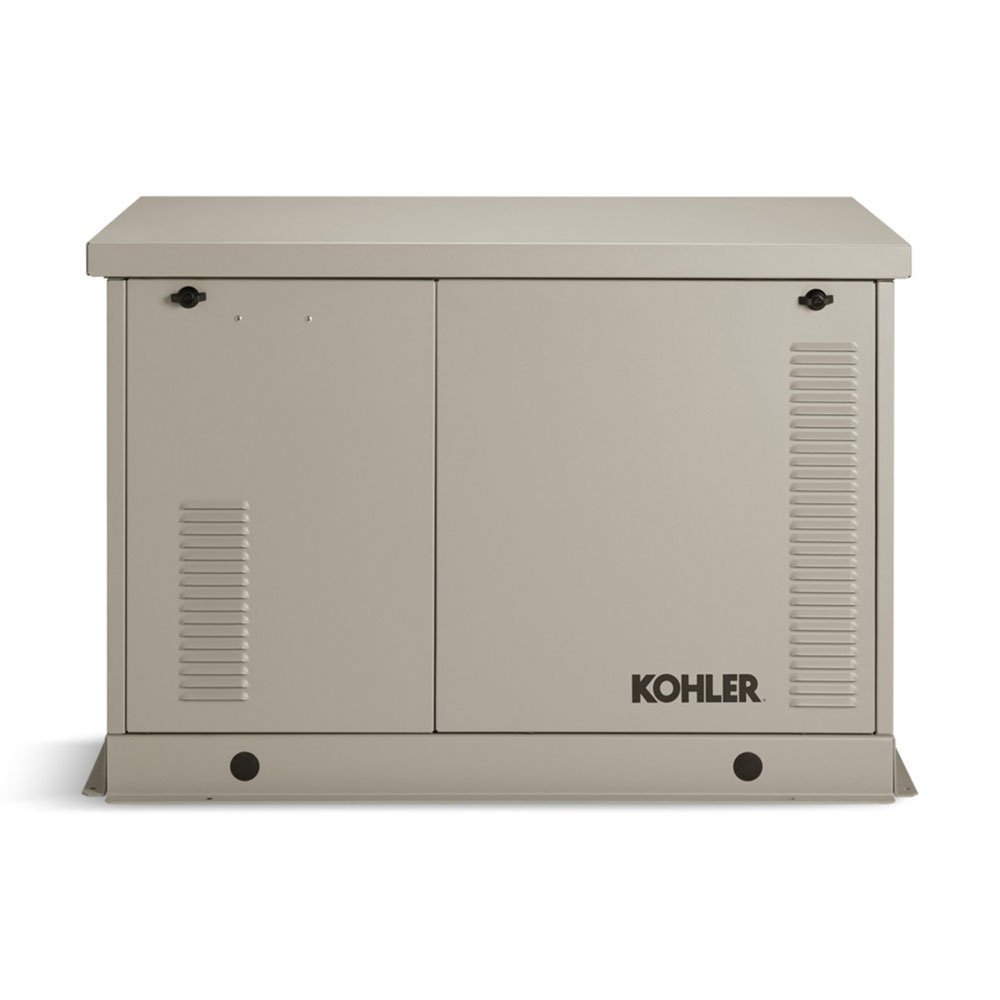
When the lights go out, your home doesn't have to follow suit. For many homeowners, the thought of a prolonged power outage brings a chill far colder than any winter storm – spoiled food, lost work, no AC in a heatwave, or even vital medical equipment failing. That's where a whole-house standby generator steps in, offering an invisible shield of reliability against an unpredictable grid. If you're weighing your options for dependable backup power, chances are you've already heard the name Kohler. But understanding where Kohler standby generator comparisons and alternatives fit into the broader landscape is key to making the right choice for your sanctuary.
Let's cut through the noise and get straight to what matters: finding the ideal power partner for your home.
At a Glance: Your Standby Generator Essentials
- Automatic Power: Whole-house generators start up instantly and automatically when the power fails, without you lifting a finger.
- Fuel of Choice: They run on your home's natural gas line or a dedicated propane tank, eliminating the need for constant refueling.
- Professional Installation is Key: These aren't DIY projects. Expect significant costs for installation by certified electricians, plumbers, and contractors.
- Four Major Players: Generac, Kohler, Briggs & Stratton, and Cummins dominate the residential market, each with distinct strengths.
- Sizing Matters Most: An undersized generator is useless; an oversized one is a waste of money and fuel. Get this right before you consider brands.
- Beyond the Price Tag: Factor in long-term reliability, maintenance, and local dealer support when calculating total cost of ownership.
- No Single "Best": The perfect generator depends entirely on your specific needs, budget, and local environment.
Why a Whole-House Standby Generator? The Unseen Guardian
Imagine this: a storm rolls through, sirens blare, and then... silence. Not the peaceful kind, but the unsettling silence of a power grid gone dark. Your neighbors are scrambling for flashlights, perhaps dragging out noisy, exhaust-fuming portable generators. You? You might not even notice the flicker. Within seconds of an outage, your standby generator senses the disruption, fires up, and seamlessly transfers power to your home. When the utility power returns, it switches back and shuts itself off, ready for the next event.
These units are permanent fixtures, about the size of a central air conditioning unit, sitting outside your home on a concrete pad. They're connected directly to your electrical system via an automatic transfer switch and fueled by your existing natural gas line or a large, dedicated propane tank. No extension cords, no dangerous carbon monoxide indoors, just continuous, reliable power for as long as the outage lasts and fuel is supplied.
The Big Four: A Look at the Major Players
The residential standby generator market is largely cornered by four prominent manufacturers, each bringing their unique heritage and approach to home power. Understanding their core philosophies is the first step in any meaningful comparison.
Generac: The Market Leader and Innovator
With roughly 40% of the market share, Generac isn't just a participant; they pioneered the concept of affordable home standby generators in the 1980s. They're synonymous with accessibility, offering a vast product lineup that caters to almost every need and budget, from basic essential circuit coverage to whole-home power for large estates.
Generac's Strengths:
- Broad Availability: An unparalleled dealer and service network makes Generac units easy to find, install, and maintain across the country.
- Innovation: Known for user-friendly features like automatic weekly testing, Wi-Fi connectivity for smartphone monitoring, and load management systems.
- Versatile Offerings: A wide range of power outputs and feature sets means you can almost always find a Generac model that fits your specific requirements.
- Overall Value: Often strikes a balance between performance, features, and price point.
Kohler: The Premium Powerhouse
Holding about 25% of the market, Kohler positions itself as a premium, high-quality alternative. Leveraging over a century of experience in power generation (yes, they've been making engines and power solutions for a long time, not just plumbing fixtures), Kohler emphasizes robust build quality, exceptional reliability, and often quieter operation.
Kohler's Strengths:
- Commercial-Grade Components: Many Kohler units incorporate components found in their industrial and commercial generators, promising enhanced durability and longevity.
- Exceptional Reliability: Known for performing consistently even in harsh weather conditions and under heavy loads.
- Quiet Operation: While all generators make noise, Kohler often earns praise for its relatively quieter performance compared to some competitors.
- Power Quality: Designed to deliver clean, stable power, which is vital for sensitive modern electronics.
- Strong Warranty: Typically offers competitive warranties reflecting their confidence in product durability.
If you're delving deeper into what makes these units tick, you'll find that Kohler's commitment to quality translates into impressive long-term performance, making them a top contender for those prioritizing endurance and peace of mind. For a more exhaustive exploration, you might want to consult your comprehensive guide to Kohler generators.
Briggs & Stratton: The Value-Oriented Challenger
With approximately 20% of the market, Briggs & Stratton capitalizes on its century-plus expertise in small engine manufacturing. They offer a compelling value proposition, providing competitive features at more accessible price points.
Briggs & Stratton's Strengths:
- Budget-Friendly: Often the most affordable option among the top brands for comparable power output.
- Reliable Engines: Their long history in small engines means their generator engines are generally robust and well-tested.
- Core Functionality: Delivers essential standby power features without some of the premium bells and whistles, appealing to those who need reliable backup without overspending.
- Compact Designs: Some models offer smaller footprints, which can be advantageous for homes with limited yard space.
Cummins: The Industrial Heavyweight
Around 15% of the market belongs to Cummins, a brand globally renowned for its heavy-duty industrial engines and power generation solutions. They bring this commercial-grade ruggedness directly to the residential market.
Cummins' Strengths:
- Extreme Durability: Built like tanks, Cummins units are designed for the most demanding environments and sustained, heavy-duty operation.
- Industrial Heritage: Their expertise in large-scale power translates into exceptionally robust and reliable home units.
- Excellent under Load: Known for handling large, fluctuating electrical loads with ease, making them ideal for homes with significant power demands.
- Long Lifespan: While initial costs can be higher, their industrial-grade construction often points to a very long operational life.
Kohler Standby Generator Comparisons: A Deeper Look
Now that we've introduced the key players, let's stack Kohler against its primary competitors to highlight the nuanced differences that can swing your decision.
Kohler vs. Generac: Premium vs. Popularity
This is often the central debate for many homeowners.
- Build Quality & Components: Kohler often edges out Generac here, using commercial-grade engines and components that promise a longer service life and greater resilience, particularly in extreme conditions. Generac, while reliable, uses components optimized for residential applications to keep costs down.
- Noise Level: Kohler units are frequently noted for being quieter during operation, a significant factor if your generator will be close to a living area or a neighbor's property.
- Innovation & Features: Generac often leads with smart features like advanced mobile monitoring and sophisticated load management systems. Kohler offers robust smart features as well, but Generac’s interface can sometimes feel more consumer-friendly.
- Price Point: Kohler typically commands a higher price point upfront due to its premium components. Generac offers a broader range, including more budget-friendly options, but also has premium lines that compete directly with Kohler.
- Dealer Network: Generac's network is significantly larger, potentially making installation and service more readily available in some regions. Kohler's network is strong but more selective.
When to choose Kohler over Generac: If your budget allows, and you prioritize industrial-grade durability, potentially quieter operation, and clean power output for sensitive electronics, Kohler makes a compelling case. If you live in an area prone to severe, prolonged outages, Kohler's robust construction can offer an added layer of confidence.
When to choose Generac over Kohler: If you're looking for an excellent balance of features, reliability, and value, with a wider range of price points and an extensive support network, Generac is a superb choice. Their advanced smart home integration can also be a deciding factor for tech-savvy homeowners.
Kohler vs. Briggs & Stratton: Quality vs. Cost
This comparison pits a premium brand against a value leader.
- Durability & Longevity: Kohler's commercial-grade construction is designed for a longer operational lifespan and more demanding use. Briggs & Stratton generators are built for residential use and offer good reliability for their price point, but might not match Kohler's long-term endurance in extreme conditions.
- Features & Refinements: Kohler offers more refined operation, quieter noise levels, and often more advanced self-diagnostics and power quality. Briggs & Stratton focuses on core functionality and reliability without excessive frills.
- Price: Briggs & Stratton is generally the more affordable option, making it attractive for budget-conscious buyers. Kohler represents a significant step up in initial investment.
When to choose Kohler over Briggs & Stratton: If long-term reliability, premium build quality, quieter operation, and exceptional power output are your top priorities, and your budget accommodates the higher investment, Kohler is the clear winner. This is especially true if you anticipate frequent or extended outages.
When to choose Briggs & Stratton over Kohler: If your primary concern is securing reliable backup power at the most competitive price, and you don't require the absolute highest-tier durability or the quietest operation, Briggs & Stratton delivers strong value. It's an excellent choice for moderate needs and infrequent outages.
Kohler vs. Cummins: Refined Power vs. Rugged Endurance
Here, we compare two brands known for high-quality, commercial-derived engineering.
- Industrial Prowess: Both brands leverage deep industrial power generation experience. Cummins is perhaps even more synonymous with heavy-duty diesel and industrial power, and their residential units reflect this ruggedness. Kohler also has a long history in commercial power, focusing on refined, reliable solutions.
- Noise Level & Aesthetics: Kohler often designs its residential units with a slightly greater emphasis on aesthetics and reduced noise, making them potentially more neighbor-friendly. Cummins units, while quieter than many portables, prioritize function and ruggedness.
- Power Quality: Both offer excellent power quality, crucial for sensitive electronics.
- Target Audience: Cummins appeals strongly to those who truly need "overbuilt" reliability, perhaps in extreme climates or for homes with very heavy, sustained loads. Kohler targets a similar premium segment but with an emphasis on a slightly more "residential-friendly" experience.
- Price: Both Kohler and Cummins units tend to be at the higher end of the price spectrum, reflecting their superior build and performance.
When to choose Kohler over Cummins: If you're seeking top-tier reliability with a slightly more polished, quieter, and aesthetically integrated residential solution, Kohler could be your preference. Its refined performance is a strong selling point.
When to choose Cummins over Kohler: If your priority is absolute, unyielding industrial-grade durability and performance under the most extreme conditions or for very demanding electrical loads, Cummins might edge out Kohler. Their units are designed to withstand anything and keep running.
Beyond the Brand: Critical Factors for Your Decision
While brand comparisons are valuable, they're only part of the equation. Several other factors are paramount to selecting the right standby generator.
1. Generator Sizing: Get It Right, Or Else
This is arguably the single most important decision. An undersized generator will constantly struggle, overload, and fail when you need it most. An oversized unit is an expensive waste of money, fuel, and installation costs.
- Essential Circuits: Do you only need to power critical items like your refrigerator, sump pump, furnace fan, and a few lights and outlets? This requires a smaller unit (e.g., 5,000 to 10,000 watts).
- Managed Whole-Home Power: Can you live with some limitations, perhaps rotating high-demand appliances (like running the dryer but not simultaneously with the central AC)? This might involve load management systems and a mid-range unit (e.g., 10,000 to 15,000 watts).
- True Whole-Home Power: Do you want to run everything in your house as if the power never went out, including multiple AC units, electric ranges, and water heaters? This requires a large unit (18,000 watts and up).
Actionable Tip: Don't guess. Have a qualified electrician perform a load calculation (energy audit) of your home. They'll measure starting and running watts for all your potential appliances and help you determine the minimum necessary wattage.
2. Local Dealer Support: Your Lifeline
The best generator in the world is useless without proper installation and ongoing service.
- Installation Quality: A certified dealer ensures the unit is installed correctly, safely, and to code, which is crucial for performance, warranty, and safety.
- Timely Service: When you have a problem, you need quick, reliable support. A strong local dealer network means faster response times for maintenance and repairs.
- Warranty Service: Dealers handle warranty claims, making the process smoother if issues arise.
Actionable Tip: Research local dealers for all brands you're considering. Read reviews, ask for references, and inquire about their service contracts and emergency response times. The quality of your local dealer can be more important than the brand name itself.
3. Total Cost of Ownership: Look Beyond the Sticker Price
The initial purchase price is just the beginning.
- Unit Cost: $3,400 to nearly $7,000+ for the generator unit itself, depending on size and brand.
- Installation Costs: This is where the budget really expands. Professional installation can range from $2,000 to $20,000 or more, depending on your home's existing electrical and fuel infrastructure, local labor rates, and permitting requirements. This involves:
- Electrician: For the transfer switch and wiring.
- Plumber/Gas Fitter: For connecting to natural gas or installing/connecting a propane tank.
- General Contractor: For concrete pad, trenching, and managing other trades.
- Permits: Necessary for electrical and gas work.
- Fuel Costs: Natural gas is generally cheaper and provides unlimited run time. Propane tanks need refilling, and large tanks are a significant upfront investment.
- Maintenance: Annual professional servicing is recommended to keep your generator in top condition and maintain warranty coverage.
- Expected Lifespan: Higher-quality units (like Kohler or Cummins) may have a longer operational life, amortizing their higher initial cost over more years of reliable service.
Actionable Tip: Get multiple quotes for the entire installed system from different dealers for different brands. Ensure quotes are comprehensive, detailing all components, labor, and permit fees. Remember, smaller generators often incur almost the same installation cost as larger ones because the fixed costs (electrical, gas hookup, permits) are largely constant.
4. Specific Needs & Environment: Tailoring Your Choice
Your unique circumstances should guide your decision.
- Local Climate: Do you experience extreme cold? Look for models with cold-weather kits. Is corrosion a concern (e.g., coastal areas)? Consider enclosures made of aluminum or other corrosion-resistant materials.
- Outage Frequency & Duration: If you have frequent, long outages, investing in a more robust, commercial-grade unit like a Kohler or Cummins might be a wise long-term decision.
- Noise Restrictions: If you live in a dense neighborhood with noise ordinances, a quieter model (often a Kohler strength) might be crucial.
- Sensitive Electronics: Clean, stable power output is important for modern electronics and smart home systems. All major brands generally offer good power quality, but some premium units excel here.
The Non-Negotiable: Professional Installation
We cannot stress this enough: a whole-house standby generator is not a DIY project. It involves complex electrical work, potentially modifying your home's gas lines, pouring a concrete pad, and adhering to strict local codes and safety regulations.
- Safety: Incorrect installation can lead to electrocution, fire hazards, or carbon monoxide poisoning if exhaust isn't properly routed.
- Code Compliance & Permits: Most jurisdictions require permits for generator installation. Professional installers handle this complex process.
- Warranty: Most manufacturers require professional installation by a certified dealer for the warranty to be valid.
- Performance: Proper sizing, wiring, and fuel hookup ensure your generator operates efficiently and reliably when you need it most.
Common Questions & Misconceptions
"Are portable generators just as good?"
No. Portable generators require manual setup, refueling (gas cans can be dangerous to store), cannot power a whole house, and pose carbon monoxide risks if used improperly. Standby generators are automatic, fueled by your home's supply, and professionally installed outdoors, eliminating these risks.
"Can I install it myself to save money?"
Highly discouraged and often illegal without proper licensing and permits. The electrical and fuel connections are dangerous and require specialized expertise. You'll likely void your warranty and risk serious safety hazards.
"Do all generators make a lot of noise?"
All generators produce noise, measured in decibels (dB). Standby units are generally much quieter than portable models, and premium brands like Kohler often focus on reducing operational noise. Expect sound levels comparable to a running air conditioning unit.
"How much fuel do they use?"
Fuel consumption varies significantly by generator size and electrical load. Natural gas offers unlimited run time from your utility line. Propane consumption means you'll need a large, dedicated tank (e.g., 500 or 1,000 gallons) to power your home for several days. An 18kW generator running at half load might consume around 2-3 gallons of propane per hour, or roughly 200-300 cubic feet of natural gas per hour.
"Do I need to run it regularly?"
Yes, and fortunately, they do it automatically. Most standby generators perform a weekly self-test (a short run cycle) to ensure they're ready for an outage, lubricate components, and charge the battery. This automatic exercise is crucial for reliability.
Making Your Choice: A Path Forward
Choosing a whole-house standby generator is a significant investment in your home's safety, comfort, and functionality. There's no single "best" brand; the optimal choice is the one that aligns perfectly with your specific needs, budget, and priorities.
- Start with Sizing: Before you even think about brands, figure out exactly how much power your home needs. Consult with an electrician. An appropriately sized value brand generator will always serve you better than an undersized premium one.
- Prioritize Local Support: The quality of your local dealer and installer can make or break your experience, regardless of the brand.
- Weigh Your Values:
- For Overall Value & Features: Generac is a strong contender, offering a robust product line and extensive support.
- For Premium Quality & Reliability: Kohler offers commercial-grade components, quiet operation, and exceptional durability for those willing to invest more.
- For Budget-Conscious Reliability: Briggs & Stratton provides dependable core functionality at a competitive price.
- For Extreme Durability & Heavy Loads: Cummins leverages its industrial heritage for units built to last in the toughest conditions.
- Consider System Synergy: For optimal performance, simplified warranty service, and proper smart feature functionality, it's generally best to use the same brand for both your generator and its automatic transfer switch.
Ultimately, your goal is uninterrupted peace of mind. By carefully evaluating your needs, understanding the market leaders like Kohler and its strong alternatives, and partnering with qualified professionals, you can ensure your home remains a beacon of light, even when the world outside goes dark. Take the time to research, get detailed quotes, and ask plenty of questions. Your future self, cozy and powered up during the next outage, will thank you.