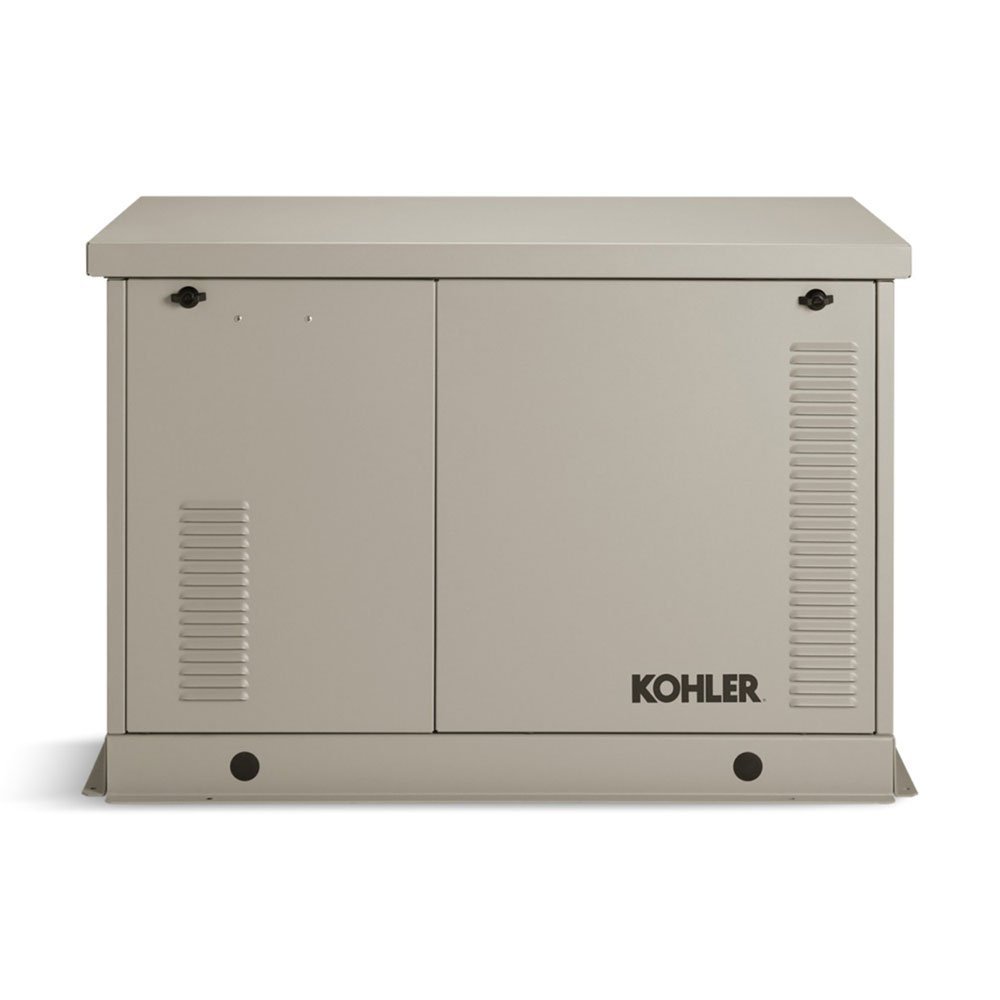
Power outages aren't just an inconvenience; they're a disruption that can halt your daily life, cause significant financial loss, and even pose safety risks. For homeowners seeking reliable backup power, Kohler standby generators have become a go-to solution. But before you dive in, understanding the true Cost and ROI of Kohler Standby Generators is crucial. This isn't just about the initial price tag; it's about the long-term value, peace of mind, and protection of your most important asset: your home.
Think of it as an investment in resilience. While the upfront cost might seem substantial, weighing it against the avoided expenses and intangible benefits will paint a clearer picture of its worth. Let's break down everything you need to know.
At a Glance: Key Takeaways
- Total Cost Range: Expect to pay $7,000 to $24,000 for a Kohler standby generator system, including installation.
- Common Residential Price: Most mid-size home installations (10-20 kW) fall between $9,000 and $14,000.
- Unit Cost: The generator unit itself typically costs $3,500 to $9,000, with larger units going up to $16,000 before installation.
- Major Cost Drivers: Generator capacity (kW), fuel type, installation complexity, regional labor rates, and permit fees are the biggest factors.
- Installation Time: A standard installation usually takes 1 to 3 days.
- ROI Factors: Increased property value, prevention of financial losses (food, burst pipes), and invaluable peace of mind.
- Saving Tips: Right-sizing your unit, exploring bundled packages, and checking for local incentives can reduce costs.
The Unseen Costs of Power Outages: Why Invest in Backup?
Before we talk dollars and cents for a generator, let's briefly consider the "cost" of not having one. Beyond the immediate frustration of flickering lights, prolonged power outages can lead to:
- Food Spoilage: A full fridge and freezer can quickly turn into hundreds of dollars in spoiled groceries.
- Property Damage: Sump pumps failing can lead to basement flooding, and in colder climates, burst pipes due to a lack of heat are a real and expensive threat.
- Disrupted Work/Life: Remote work, online schooling, even just basic communication become impossible.
- Safety Concerns: Lack of lighting, inability to operate medical equipment, and security system failures are serious worries.
- Temporary Accommodation: In severe or lengthy outages, you might need to pay for hotel stays or eat out more, racking up unexpected bills.
A Kohler standby generator isn't just about convenience; it's a critical infrastructure upgrade that protects your home, your family, and your financial well-being from these hidden, often significant, costs.
Demystifying the Price Tag: What Goes into a Kohler Standby Generator System?
When you receive a quote for a Kohler standby generator, you're not just paying for the generator itself. You're investing in a complete, automated power backup system. Understanding the core components helps explain the total cost.
The Generator Unit Itself: Powering Your Needs
This is the heart of the system. Kohler offers a range of models, primarily differentiated by their kilowatt (kW) capacity – which determines how much power they can produce – and their fuel type.
- Capacity (kW): From smaller 8 kW units designed for essential circuits to robust 20 kW+ models capable of powering an entire large home, the size directly impacts the unit's cost. Generally, 8-12 kW units range from $4,000-$9,000, while 16-20 kW units can be $9,000-$16,000 before installation.
- Fuel Type: Most residential Kohler generators run on either natural gas or propane.
- Natural Gas: Offers unlimited run time (as long as the gas supply is uninterrupted) and often lower running costs. However, initial installation may require extending or upgrading your home's gas line, adding to upfront expenses. To compare natural gas and propane options, consider your existing infrastructure.
- Propane: Ideal for homes without natural gas access. Requires a large external storage tank, which can be an additional purchase or rental and needs to be refilled periodically.
- Engine & Controller Features: Modern Kohler generators come with advanced digital controllers for seamless operation, self-diagnostics, and remote monitoring. These features, along with engine reliability, contribute to the unit's price.
Installation: The Major Variable
Often representing a significant portion of the total cost, professional installation is non-negotiable for a standby generator. This isn't a DIY project. It involves coordinating multiple skilled trades and adhering to strict electrical and gas codes.
Key installation components and services include:
- Automatic Transfer Switch (ATS): This intelligent device is the "brain." When utility power fails, the ATS senses it, starts the generator, and automatically transfers your home's electrical load to the generator. When power returns, it seamlessly switches back and shuts down the generator. The size and features of the ATS impact its cost. For a deeper dive, check out the intricacies of automatic transfer switches.
- Electrical Work: This includes wiring the generator and ATS into your home's electrical panel, potentially upgrading the panel itself, and ensuring all connections meet code.
- Gas Line Installation: Running a dedicated gas line from your meter (for natural gas) or propane tank to the generator. This can be complex, especially for long runs or if existing lines need upgrading.
- Permits & Inspections: Local municipalities require permits for electrical, gas, and sometimes even zoning. These fees vary widely by region, as do the required inspections.
- Site Preparation: This might involve pouring a concrete pad for the generator, ensuring proper clearances, and sometimes basic landscaping.
- Delivery & Placement: Getting the heavy generator unit to its final spot.
- Removal of Old Units: If you're replacing an existing generator, its removal adds to the labor.
Ongoing Maintenance & Fuel Costs
While not part of the initial installation, these are critical to the long-term cost and ROI.
- Annual Service Plans: Much like your car or HVAC system, generators need regular maintenance (oil changes, filter replacements, system checks) to ensure reliability. These plans typically cost a few hundred dollars annually.
- Fuel Consumption: This varies based on generator size, load, and how often it runs. Natural gas is generally cheaper per therm than propane, but propane provides flexibility for homes without gas lines.
Breaking Down the Numbers: Kohler Standby Generator Cost Ranges
Let's get specific. The total cost for a Kohler standby generator system, including installation, typically ranges from $7,000 to $24,000.
For a common residential installation, featuring a mid-size generator (10-20 kW) and a standard automatic transfer switch, you're usually looking at $9,000 to $14,000. This covers the equipment, labor, and all necessary extras.
Here’s a breakdown of the core cost components you'll encounter:
| Component | Typical Cost Range (Residential) | Notes |
|---|---|---|
| Generator Unit (8-12 kW) | $4,000 - $9,000 | Smaller homes, essential circuits. |
| Generator Unit (16-20 kW) | $9,000 - $16,000 | Mid-sized to larger homes, whole-home backup. |
| Automatic Transfer Switch | Included in unit or $500 - $2,000+ | Varies by size and features. |
| Electrical Work | $1,500 - $4,000+ | Wiring, panel upgrades, conduit. |
| Gas Line Installation | $500 - $3,000+ | Depends on length, complexity, trenching, existing line capacity. |
| Permits & Fees | $200 - $1,000+ | Varies significantly by municipality. |
| Site Prep (Concrete Pad) | $300 - $800 | If not included, or if a custom solution is needed. |
| Labor (Overall) | $2,000 - $8,000+ | For the entire installation process, typically 10-24+ hours at $75-$150/hour. |
| Delivery & Testing | Often bundled | Ensure this is covered in your quote. |
Key Factors That Drive Your Final Quote
Several variables can swing your total cost up or down. Understanding these will help you make informed decisions and ask the right questions when getting quotes.
Generator Capacity (kW) and Your Home's Needs
This is arguably the most significant cost driver. A larger kW unit means a larger engine, more robust components, and thus a higher price.
- Right-sizing is critical. You don't want to undersize and find yourself without power for essential items, but oversizing means paying for capacity you don't need.
- Most mid-sized homes find 12-20 kW units appropriate for whole-home backup or significant circuit coverage. A good installer will perform a load calculation to help you selecting the ideal generator size for your specific needs.
Fuel Type: Natural Gas vs. Propane
As discussed, the choice impacts both the generator unit's cost (sometimes slightly) and, more significantly, the installation cost.
- If you have natural gas, the primary added cost will be extending or upgrading the gas line to handle the generator's demand.
- If you choose propane, you'll need a large propane tank (often 500-1000 gallons) installed on your property. This might be a purchase or a rental, adding a separate cost element.
Installation Complexity: From Easy Access to Retrofit Challenges
Every home is unique, and so is every generator installation. Factors that increase complexity and labor hours include:
- Limited Access: If the generator site is difficult to reach, requiring special equipment or more manual labor.
- Long Gas Line Runs: The further the generator is from the gas meter or propane tank, the more materials and labor are needed.
- Electrical Panel Upgrades: Older homes might require significant electrical panel work or sub-panels to accommodate the new system.
- Multiple Service Panels: Homes with more than one electrical panel (e.g., house and detached garage) can increase wiring complexity.
- Trenching: If gas or electrical lines need to be buried, trenching adds time and cost.
Regional Labor Rates & Permit Requirements
Where you live can have a substantial impact on the total price.
- Labor Rates: Electricians, plumbers, and general contractors charge hourly rates ranging from $75 to $150 per hour, depending on the region and specific trade.
- Permit Fees: Some municipalities have higher permit fees or more stringent inspection requirements than others. Regional differences can cause total costs to vary by up to 20-30 percent.
Engine and Controller Reliability
Kohler is known for its robust engines and advanced digital controllers. These features contribute to the unit's cost but also to its longevity, fuel efficiency, and ease of use. Superior transfer switch features, for example, can enhance your experience and reliability, influencing price and future maintenance needs.
Installation Timeline: What to Expect
A typical Kohler standby generator installation for a standard 10-20 kW system spans 1 to 3 days. This allows for the necessary electrical and gas work, site preparation, connection of the automatic transfer switch, and final testing.
- Straightforward Installation: A home with readily available natural gas, easy generator placement, and a standard electrical panel might take 10-16 hours of labor.
- Complex Retrofits: If extensive trenching is needed, gas lines require significant upgrades, or multiple electrical panels are involved, labor could exceed 24 hours. This translates to more man-hours and, consequently, higher labor costs.
Regional Price Variations: Where You Live Matters
As noted, geography plays a role in generator pricing, largely due to differences in labor costs, permit fees, and even local demand.
- Higher Cost Regions: The Northeast and West Coast often see higher overall project costs. An installation in these areas might range from $8,000-$14,000 for a mid-range system.
- Lower Cost Regions: The Midwest or Southeast generally have more competitive pricing, with similar installations potentially ranging from $7,000-$12,000.
- Urban vs. Rural: Urban centers often have higher labor rates and more complex permitting processes compared to suburban or rural areas, further widening the cost delta. Expect regional variations to be as much as ±25 percent.
Real-World Scenarios: What Does it Actually Cost?
To give you a clearer picture, here are some typical Kohler standby generator installation scenarios, broken down by cost:
Basic Scenario: Essential Backup
- Generator: 8 kW Kohler generator
- Transfer Switch: Standard automatic transfer switch
- Installation: Minimal upgrades required, natural gas supply readily available, suburban area.
- Total Cost: $7,500 to $9,500
- Equipment Cost: $4,000 – $6,000 (Generator unit, ATS)
- Labor Cost: $2,000 – $3,000 (12–18 hours of labor, permits, minor electrical/gas work)
Mid-Range Scenario: Comfortable Whole-Home Coverage
- Generator: 12–16 kW Kohler unit
- Transfer Switch: Automatic transfer switch with modest features
- Installation: Base permit fees, standard electrical panel work, average gas line run.
- Total Cost: $10,000 to $14,000
- Equipment Cost: $6,000 – $9,500 (Larger generator unit, ATS)
- Labor Cost: $3,000 – $5,000 (More extensive electrical and gas work, 18-24+ hours of labor)
Premium Scenario: Full Power, Advanced Features
- Generator: 20 kW Kohler unit or larger
- Transfer Switch: Enhanced transfer options, potentially whole-home management.
- Installation: Complex gas line work (e.g., long trenching), multiple circuits or sub-panels, extended warranty, advanced monitoring features.
- Total Cost: $14,000 to $20,000+
- Equipment Cost: $9,000 – $14,000 (Largest generator unit, advanced ATS, potential accessories)
- Labor Cost: $5,000 – $8,000 (Extensive custom work, 24+ hours of labor, potentially multiple days)
Maximizing Your ROI: Beyond Just Keeping the Lights On
The return on investment (ROI) for a Kohler standby generator isn't solely financial, but the financial aspects are significant.
Property Value Enhancement
A standby generator is a desirable home amenity, especially in areas prone to power outages. It's an investment that can increase your home's resale value. While estimates vary, many real estate professionals suggest a generator can recoup 50-80% of its cost in added home value. Buyers appreciate the built-in reliability and safety it offers.
Peace of Mind and Convenience
How do you quantify the feeling of security knowing your family will always have heat, light, refrigeration, and communication during a storm? Or the convenience of not having to scramble for flashlights or relocate perishable food? This intangible benefit is priceless for many homeowners. For many, it's the primary reason for investing.
Preventing Financial Losses
- Food Spoilage: As mentioned, hundreds of dollars in groceries can be saved.
- Water Damage: A functioning sump pump prevents costly basement flooding.
- Pipe Bursts: In winter, maintaining heat prevents devastating pipe damage that can cost thousands in repairs.
- Lost Productivity: If you work from home, a generator ensures you don't lose income or critical work time during an outage.
Insurance Benefits & Tax Credits
Some insurance providers may offer minor discounts for homes equipped with standby generators, recognizing the reduced risk of certain types of property damage. Additionally, it's always worth checking for regional incentives or rebates for generator installations. These can significantly offset your upfront costs, so inquire with your local government or energy provider.
The Kohler Advantage
When considering ROI, the brand matters. Kohler generators are renowned for their reliability, durability, and robust engineering. While they might have a higher initial cost compared to some budget brands, their longevity and consistent performance often lead to a better long-term return and fewer headaches. Learning more about Kohler's unique features and benefits can help solidify this understanding.
Smart Ways to Save Without Sacrificing Reliability
While a standby generator is a significant investment, there are smart strategies to manage costs without compromising on essential backup power.
Right-Sizing Your Generator
The biggest opportunity for savings lies in choosing the correct kW capacity. Don't simply buy the biggest unit available. Work with your installer to perform a thorough load calculation to identify truly essential circuits and decide if whole-home backup is genuinely necessary for your lifestyle. A slightly smaller unit that powers your critical needs will be significantly cheaper than an oversized one.
Manual vs. Automatic Transfer Switch
While less convenient, opting for a manual transfer switch can reduce initial costs. A manual switch requires you to physically flip a breaker to transfer power from the utility to the generator. However, the convenience and safety of an automatic transfer switch, which handles power transfer seamlessly and automatically, often outweigh the savings for most homeowners. For true "set it and forget it" operation, automatic is almost always preferred.
Bundling Services with a Single Contractor
Working with a single, reputable contractor who handles the entire process – from sales and sizing to installation, permits, and even initial service – can streamline the project and potentially reduce costs. They can often provide a more competitive bundled price than coordinating separate electricians, plumbers, and generator specialists.
Scouting for Promotions & Rebates
Keep an eye out for factory-direct promotions from Kohler or special offers from local dealers. These might include discounts on specific models, installation rebates, or even free extended warranties. Regional energy efficiency programs or storm preparedness incentives might also exist, so always ask your installer or check local government websites.
Prioritizing Essential Upgrades
If your budget is tight, focus on the core generator system. You can always delay non-essential upgrades like extended warranties (beyond the standard excellent Kohler warranty) or advanced remote monitoring systems if a basic, reliable setup is your priority.
Addressing Common Questions About Kohler Generators
Let's tackle some quick, common queries to help you solidify your understanding.
How long do Kohler standby generators typically last?
With proper maintenance, a Kohler standby generator can last 15 to 30 years or more. Lifespan depends heavily on usage (how often it runs during outages) and adherence to a regular maintenance schedule.
What kind of maintenance do they require?
Regular maintenance is key to longevity. This typically includes annual oil and filter changes, spark plug checks, battery tests, and a general inspection of the unit. Many homeowners opt for a service plan with their installer. For more details, explore essential maintenance tips.
Can I install a Kohler standby generator myself?
No, absolutely not. Standby generator installation involves complex electrical and gas line connections that must be handled by licensed professionals to ensure safety, comply with local codes, and maintain the manufacturer's warranty. Attempting a DIY installation is dangerous and illegal in most areas.
What's the best size Kohler generator for my home?
The "best" size depends entirely on your specific home and power needs. A professional installer will conduct a load calculation, assessing your home's square footage, the number of appliances, and which specific circuits you want to back up. For example, a home powering only essential circuits (fridge, furnace, some lights) might need 8-10 kW, while a large home wanting whole-house power might need 20 kW or more.
How loud are Kohler standby generators?
Kohler generators are designed to be relatively quiet for their power output, especially compared to portable generators. Most residential models operate in the 60-70 dBA range at normal operating conditions, similar to a central air conditioner. Placement and landscaping can further mitigate noise.
Making the Right Choice: Your Next Steps
Investing in a Kohler standby generator is a significant decision, but an incredibly rewarding one for your home's safety and comfort. With a clear understanding of the costs, factors, and ROI, you're now empowered to move forward confidently.
Your next steps should involve:
- Professional Assessment: Contact a certified Kohler dealer or experienced generator installer. They will visit your home, assess your power needs, evaluate your property for optimal generator placement, and determine the best fuel type. This is the crucial first step to accurately planning your Kohler Standby Generator installation.
- Get Multiple Quotes: Don't settle for the first estimate. Obtain detailed quotes from at least two or three reputable, licensed contractors. Compare not just the total price, but also what's included in the equipment, labor, and warranty.
- Understand the Contract: Before signing, ensure the contract clearly outlines the generator model, transfer switch details, all installation services, permit handling, testing procedures, and warranty information.
- Consider the Long-Term: Remember, this is a long-term investment. While upfront cost is important, also factor in the reputation of the installer, the quality of service, and the proven reliability of Kohler generators.
By taking these steps, you'll ensure you get the right Kohler standby generator for your home, installed correctly, and at a fair price, securing your peace of mind for years to come.